When the Price Tag Wears You: The Surprising Reason Luxury Pieces Can Steal Your Style
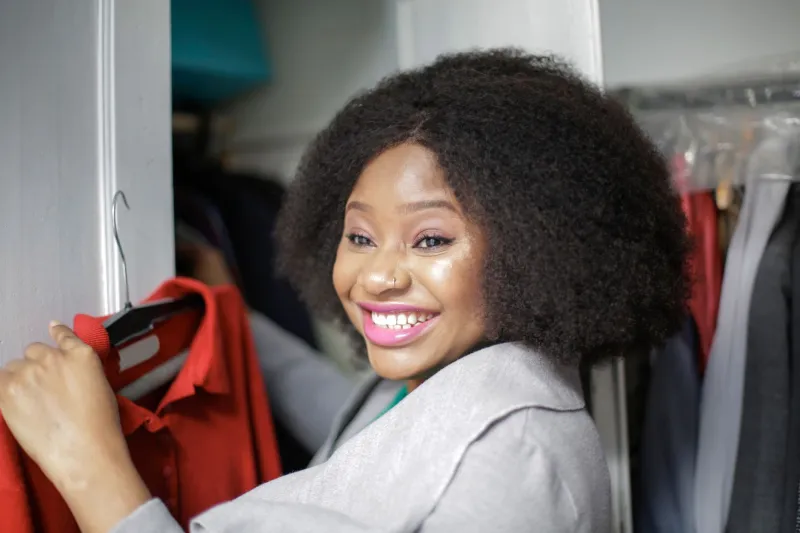
Photo by Photo by Clem Onojeghuo on Unsplash on Unsplash
There's a particular kind of disappointment that nobody really talks about. You've saved up, done the research, maybe even put yourself on a waitlist. The package arrives. You unwrap it carefully. And then you put it on — and something feels… off. Not wrong, exactly. Just not quite you.
If you've ever worn a designer piece and felt like you were playing dress-up in someone else's closet, you're in good company. The idea that expensive clothing automatically elevates your personal style is one of fashion's most persistent myths. And unpacking why it doesn't always work that way is actually kind of fascinating.
The Label Does the Talking (Whether You Want It To or Not)
Here's the thing about luxury branding: it's incredibly loud, even when it's quiet. A logo-free Celine bag still communicates something to people who recognize it. A pair of Louboutins with their signature red sole sends a message before you've said a word. That's entirely by design — luxury houses spend decades, sometimes centuries, building that kind of cultural weight.
But when a piece of clothing or an accessory arrives loaded with that much meaning, it can crowd out your meaning. Instead of your outfit expressing who you are today, it expresses what the brand stands for. You become a vehicle for someone else's aesthetic vision rather than your own.
This is what stylists sometimes call the "billboard effect" — where the item becomes the focal point of an outfit in a way that actually flattens the person wearing it. The irony is real: the more recognizable and prestigious the piece, the harder it can be to make it feel personal.
Why We Expect More From Expensive Things
There's also a psychological layer worth exploring here. When we spend a significant amount of money on something, we naturally expect it to perform. We want it to justify the investment — not just in quality, but in how it makes us feel. We want to feel more polished, more put-together, more confident.
But confidence doesn't actually work that way. Research in behavioral psychology consistently shows that confidence comes from alignment — from feeling like your outer presentation matches your inner sense of self. When there's a gap between who you are and what you're projecting, the discomfort is almost physical.
And sometimes, a $3,000 handbag creates exactly that gap. Especially if you bought it because you thought it should make you feel a certain way, rather than because it genuinely resonated with your personal aesthetic.
The Aspiration Trap
A lot of luxury purchases are really aspirational purchases in disguise. We're not buying the bag we have now — we're buying the version of ourselves we want to become. The woman who carries that bag, in our imagination, has her life together in a very specific way. She's effortlessly chic. She doesn't overthink her outfits. She walks into rooms and people notice.
The problem is that person doesn't exist yet. And wearing her accessories before you've grown into that version of yourself can feel like wearing a costume rather than clothing.
This isn't a reason to never invest in quality pieces. It's a reason to be honest with yourself about why you want them. Buying something because it genuinely fits the life you're already living — and the style you've already developed — feels completely different from buying something because you hope it will transform you.
How to Make Luxury Work For You (Not the Other Way Around)
None of this means you should avoid investment pieces. It means you should approach them with a little more intention. Here's what actually helps:
Start with your existing wardrobe, not your wishlist. Before you consider adding an expensive piece, look at what you already reach for constantly. What do those items have in common? Color, silhouette, vibe? A luxury piece that aligns with your existing aesthetic will feel like an upgrade. One that doesn't will feel like a stranger in your closet.
Separate quality from branding. Some of the most beautifully made clothing in the world comes from brands you've never heard of. And some of the most aggressively branded items are made to middling standards. If you're investing in something, make sure you're paying for craftsmanship and longevity — not just a name.
Wear it before the occasion. One of the biggest mistakes people make with expensive new purchases is saving them for a special event. Wear your investment piece to the grocery store. To a coffee run. To a casual lunch. Get comfortable in it before you attach any pressure to it. Confidence with clothing comes from familiarity, not formality.
Ask yourself the honest question. Before you buy, try this: imagine you found this exact item at a thrift store for $40. Would you still want it? If the answer is yes, it's genuinely your style. If the answer is no — if the appeal is mostly in the price tag and what it signals — that's worth sitting with.
The Real Confidence Formula
The most stylish women aren't necessarily the ones wearing the most expensive things. They're the ones who look like they made a decision. Like every piece they're wearing was chosen on purpose, for reasons that have nothing to do with impressing anyone.
That kind of confidence can't be purchased. It's built slowly, through paying attention to what actually makes you feel like yourself — not what you think should make you feel that way.
Luxury has its place. A beautifully made coat that you'll wear for fifteen years is a genuinely worthwhile investment. A bag that makes your heart skip a little every time you reach for it is worth saving up for. But the magic isn't in the label. It's in the fit — not just the physical fit, but the fit between the piece and the person you already are.
When you find that, it doesn't matter what the price tag says. You'll know, because the clothes will finally feel like yours.